
Spending time in the warm sun feels great. Who doesn’t love soaking up some vitamin D? But even a little too much ultraviolet (UV) exposure can affect your skin over time. Skin cancer is the most common cancer in America, with over 5 million cases diagnosed every year. Despite how common it is, misconceptions about tanning, sunscreen use, and sun safety continue to put people at risk.
What is Skin Cancer?
Skin cancer occurs when abnormal skin cells grow uncontrollably, often due to damage from UV exposure from the sun or tanning beds. There are several types of skin cancer, and most are highly treatable when they’re found early:
-
Basal cell carcinoma
-
Squamous cell carcinoma
-
Melanoma
-
Merkel cell carcinoma
People may shrug off skin cancer as sounding less dangerous than cancers affecting other vital organs. But if left untreated, these cancers can spread to other parts of the body, making them difficult to treat and potentially deadly. That's why it's important to know what changes to look for on your skin and to protect yourself from UV exposure.
Skin Cancer Facts and Myths
Myth: A base tan protects you from sunburn.
Fact: A tan is a sign that your skin has already been damaged by UV radiation. It provides very little protection against future sun exposure.
Dermatologists believe the rise of melanoma in younger adults may be due to the popularity of tanning culture on social media. In recent years, misinformation about sun safety went viral, with influencers questioning the safety of sunscreen and if it works.
Myth: Tanning beds are safer than the sun.
Fact: Indoor tanning devices emit harmful UV radiation and increase your risk of skin cancer.
Myth: A tan makes you look healthier and is good for your skin.
Fact: A tan is actually a sign of skin damage. The skin darkens after sun exposure, trying to prevent further injury by producing melanin (the pigment that gives skin its color). A tan may fade after a few days, but the damage adds up over time.
Myth: Sunscreen doesn’t really work.
Fact: Sunscreen is one of the most effective tools to prevent skin cancer. In fact, regular daily use of sunscreen reduces the risk of developing melanoma by 50%.
Misinformation about tanning and sunscreen can have serious consequences. A 2024 survey by the American Academy of Dermatology found that 59% of Gen Z respondents believe myths, such as “tanning is healthy” and “a base tan will help prevent sunburn.” Believing these myths may lead people to skip proper sun protection, increasing their risk of sunburn, premature skin aging, and skin cancer.
How to Protect Your Skin From Skin Cancer
The best way to protect yourself against skin cancer is to practice simple sun safety whenever spending time outdoors. Here are five ways to protect your skin from the sun’s UV rays:
-
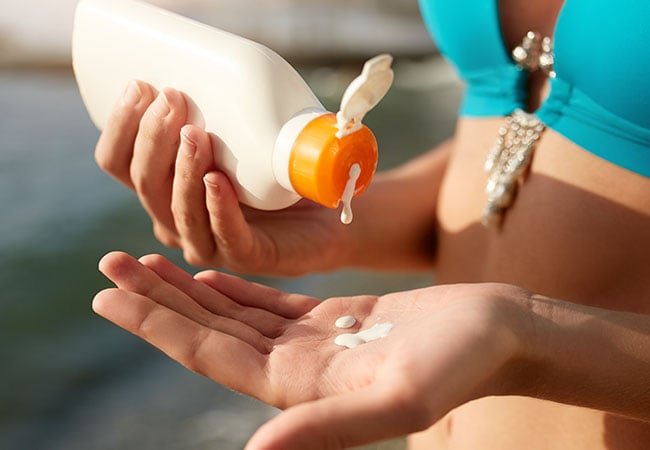
Use a broad-spectrum sunscreen with an SPF of 30 or higher every day, even if it’s cloudy or cool out
-
Apply enough sunscreen to all exposed skin and reapply as necessary to keep from getting burned
-
Seek the shade, especially between 10 am and 4 pm
-
Avoid tanning and never use a tanning bed
-
Cover up with clothing, broad-brimmed hats, and UV-blocking sunglasses
Get Your Skin Checked
Protecting your skin from the sun is important, but it's also important to check your skin regularly. Skin cancer often develops over time, so even if you're diligent about wearing sunscreen today, damage from years ago can still increase your risk. Finding skin cancer early gives you the best chance for successful treatment.
Once a month, take a few minutes to examine your skin from head to toe using a mirror. Become familiar with your moles, freckles, and other spots so you can notice if anything changes. During your self-exam, look for:
-
A new mole or spot
-
A mole or spot that changes in size, shape, or color
-
Spots or sores that itch, hurt, scab, or bleed
-
Open sores that do not heal within three weeks
If you notice any changes during your self-exam, schedule an appointment with your primary care provider or dermatologist to have it evaluated. Don’t wait for your annual checkup if you notice something concerning. The Skin Cancer Foundation recommends doing a head-to-toe self-exam of your skin every month and see a dermatologist at least once a year for a full-body skin exam.
Skin cancer is one of the most preventable forms of cancer, and early detection can make a big difference. Make sun protection part of your daily routine — not just something you reach for during summer or when you're spending time outdoors — and check your skin regularly to help reduce your risk of skin cancer and catch problems early. A few minutes of prevention today can help protect your health for years to come.
Published: August 21, 2026